Pollinator Week: Simple Ways to Protect the Bees Who Make Your Skincare
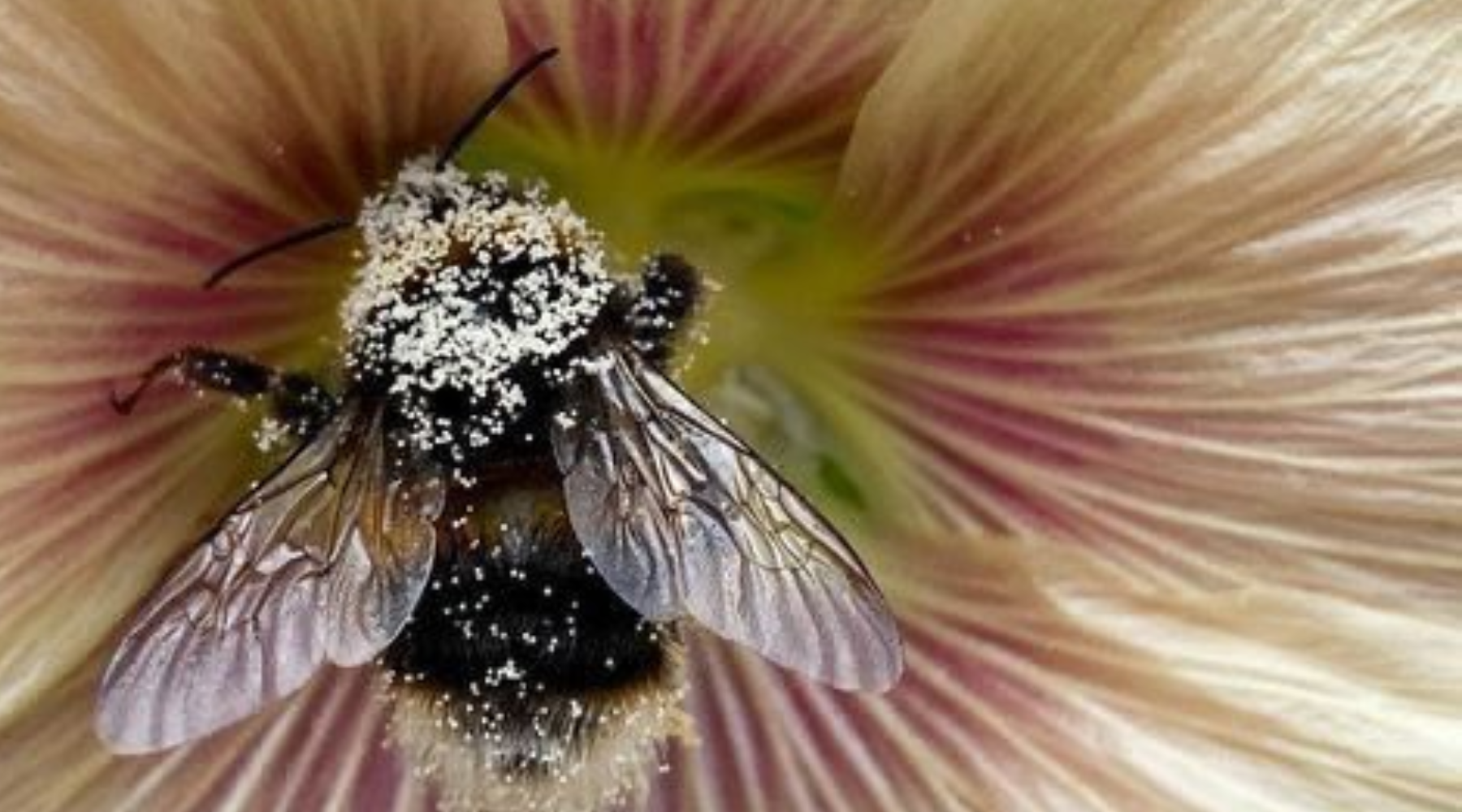
Pollinator Week, held each June, is a yearly reminder that bees and other pollinators make far more than honey; they make a huge share of our food, and, in our case, our skincare possible. It's also a good moment to turn appreciation into a few real actions.
Why pollinators matter so much
Roughly a third of the food we eat depends on pollinators, and bees are at the heart of that work. They're also under pressure from habitat loss, pesticides, and a changing climate. Pollinator Week exists to put that quietly essential work back in view, and to remind us that small choices, multiplied, genuinely help.
Simple ways to protect pollinators
Plant a mix of native, pollinator-friendly flowers that bloom across the seasons, so there's always something to forage. Skip the pesticides, especially on anything flowering. Leave a shallow dish of water with a few stones for bees to land on in the heat. Let a corner of your yard grow a little wild. And support local beekeepers and the brands that genuinely put their bees first.
How we mark it
For us, every week is pollinator week: our bees come first year-round, we take only the surplus they can spare, and we protect the wildflowers they forage in the Snoqualmie Valley. Pollinator Week is just when we say it out loud, and invite you to join in.
A season-long practice
The best part is that none of these actions are one-and-done. A pollinator garden, a pesticide-free yard, a little water in summer: these support bees long after the week is over.
Meet the hive behind everything we make. ✧
Frequently asked questions
When is Pollinator Week? It's held each June; it celebrates pollinators and raises awareness of the pressures they face.
What can I do to help pollinators? Plant native flowers that bloom across seasons, avoid pesticides, offer water in summer, let part of your yard grow wild, and support local beekeepers.
Why are pollinators important? Roughly a third of our food depends on them, and bees are central to that work: making their decline everyone's concern.

Written by Jillian Medford