Why Saving the Bees Starts With How We Make Skincare
Saving the bees starts with how things are made. Because the way we farm, harvest, and consume directly shapes whether pollinators thrive or decline. Skincare might seem far from that, but a jar of honey balm carries the whole chain of decisions behind it. Here's how the two connect, and what you can do.
Why bees are in trouble
Pollinators face a stacking set of pressures: habitat loss, pesticide exposure, monoculture farming that leaves little to forage, and a changing climate. Honeybees pollinate a huge share of the food we eat, so their decline isn't only their problem. It's ours.
How skincare can help, or harm
Industrial demand for bee products can push toward extraction: taking too much, too fast, treating a colony like a factory. Or it can support stewardship: small harvests that leave the colony whole, apiaries kept healthy because their keepers depend on them being so. When you choose hive products made in genuine partnership with bees, you're funding the second model instead of the first.
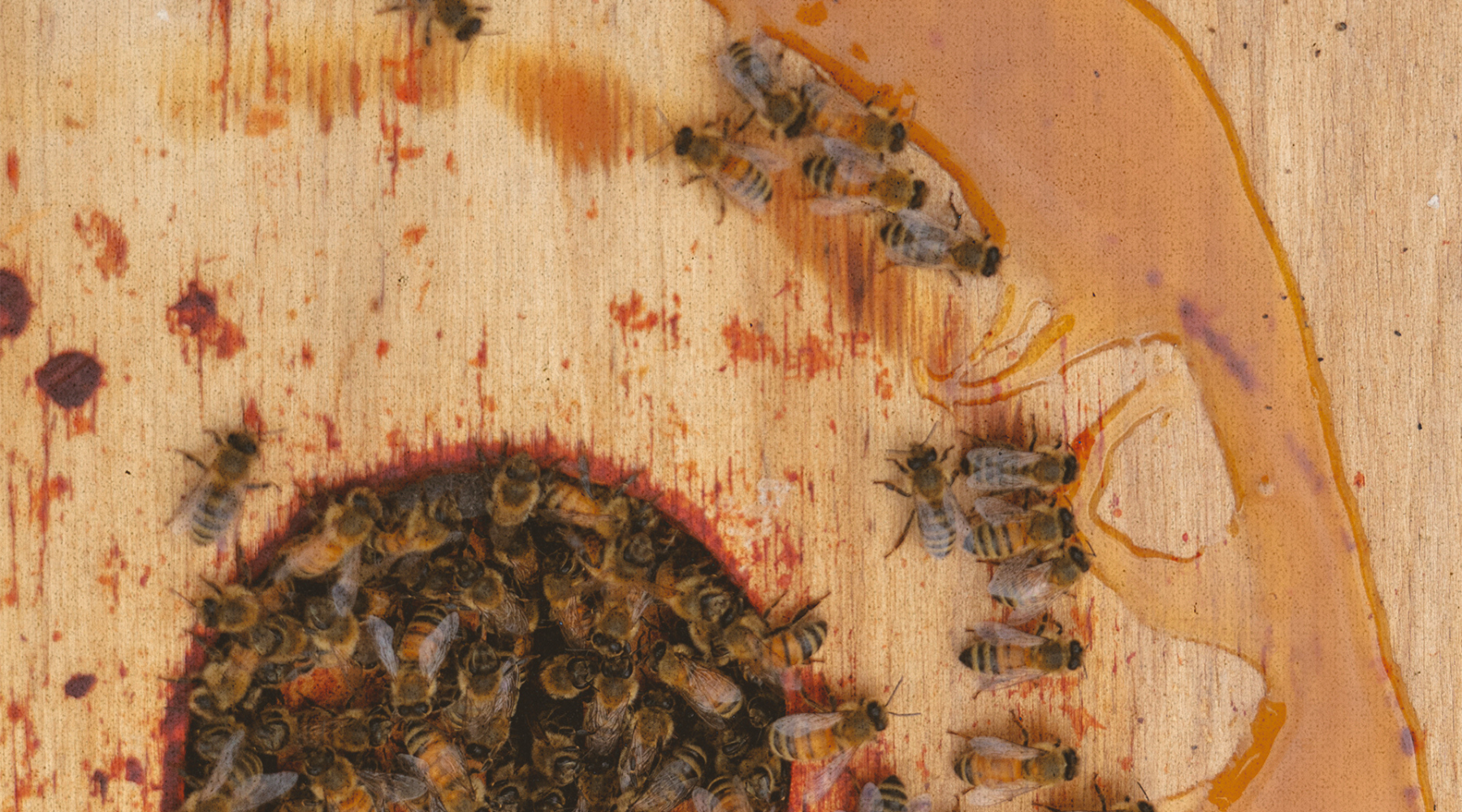
Our bees come first. We take only surplus honey, propolis, and beeswax, keep our apiary healthy in the Snoqualmie Valley, and plant and protect the wildflowers they forage. Every small-batch formula is wildcrafted in that partnership, which means buying it helps keep a pollinator-friendly piece of land exactly that.
Small ways you can help the bees
Plant pollinator-friendly flowers; skip the pesticides; leave a shallow water dish out in summer; let a corner of the yard grow a little wild; and support keepers and brands who put their bees first.
Meet the hive behind everything we make. ✧
Frequently asked questions
How does buying honey skincare help bees? Choosing products made in genuine partnership with bees funds stewardship, small harvests and healthy apiaries, rather than extraction.
What's the biggest threat to bees? A combination: habitat loss, pesticides, monoculture farming, and climate change, which compound one another.
What can I do at home to help pollinators? Plant native flowers, shrubs and trees that bloom year-round. Avoid the use of pesticides, eat organic and support organic farmers, offer water sources to bees in summer, and let part of your garden grow wild.

Written by Jillian Medford