The Right Order to Apply Skincare (and Why It Matters)
The right order to apply skincare is thinnest to thickest, water before oil, and it matters not because of some rule, but because of physics. Products absorb based on their weight and water content, and layering them out of order means the ones underneath can't get where they're going.
The principle behind skincare layering
Thinnest to thickest, water before oil. Each layer should be lighter than the one that follows, so nothing gets blocked on its way in. Hold onto that and you can place almost any product without memorizing a chart.
The skincare order that works
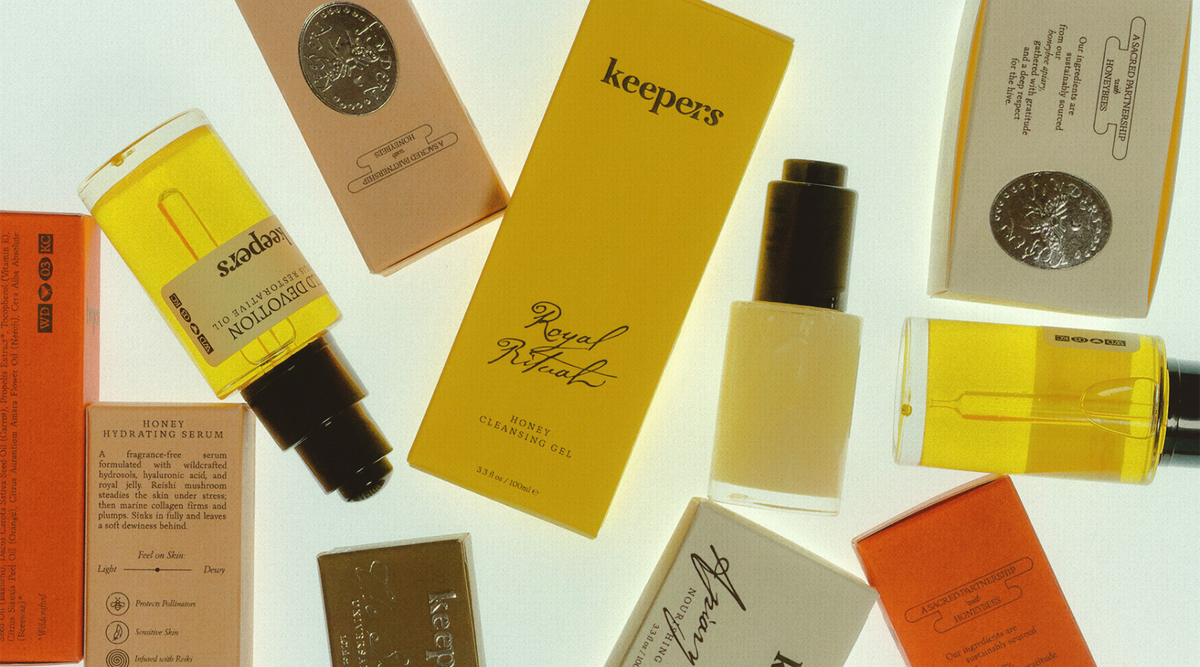
Start with a clean face: a gentle honey-and-propolis gel that lifts the day without stripping. Next, your lightest hydrating layer while skin is still slightly damp; a honey-and-royal-jelly serum goes here, drawing water into the upper layers. Then your treatment oil, pressed rather than rubbed into that damp skin, so it seals the hydration underneath instead of sliding off dry skin. Finish, where you need it, with a richer balm or butter on the spots that run dry, and in the morning, sunscreen as the final step, always.
Where each product goes
If your routine has more steps, the same logic places them. After cleansing comes anything water-light: a toner or essence, then water-based serums. Treatments like vitamin C (morning) or retinol (night) go on clean skin before heavier layers, since they need direct contact to work. Hydrating serums follow. Then face oils, which are heavier and should come after water-based products, never before: oil blocks water, not the other way around. Moisturizer or balm sits near the end to seal everything. And sunscreen is always the last step of your morning routine, full stop. Eye cream is forgiving; most people apply it before moisturizer, but it won't undo your routine if it lands elsewhere.
Morning vs. night: the order shifts
The sequence is the same, but the bookends change. A morning routine is built to protect and ends in sunscreen, so it tends to stay lighter; you don't want heavy layers fighting your SPF. A night routine is built to repair, so it can carry richer treatments and a heavier final seal that has all night to absorb. If you use actives, vitamin C generally belongs to the morning and retinol to the night; keep them in separate routines rather than stacking them.
How long to wait between layers
You don't need a timer, but you do need a breath. Give each layer thirty seconds or so to settle before the next: long enough that you're layering onto skin, not smearing wet product into wet product. The one exception worth respecting is a potent active like retinol, which many people let absorb for a few minutes before sealing it with an oil or balm. Beyond that, you're not racing, and you're not waiting all night either.
Where natural and bee-based products fit
Honey and royal jelly are humectants, so they belong in the water-based, earlier part of your routine, on damp skin where they have moisture to pull from. Beeswax balms and botanical face oils are your sealing layer and belong near the end, locking in everything underneath. Place them by their weight, not their label, and the hive slots neatly into the same thinnest-to-thickest logic as everything else.
Two things people miss about skincare order
Apply onto damp, not bone-dry, skin: water gives humectants like honey something to pull from. And give each layer that breath to settle before the next. Once you understand the logic, you stop needing to memorize it. Lighter to richer, water to oil, gentle to rich. Your skin does the rest.
Where exfoliation and masks fit
These are the steps people most often misplace. Chemical exfoliants, the acids, go on clean skin before your hydrating layers, since they need direct contact, and they're best kept to once or twice a week. A physical scrub, if you use one, belongs at the cleansing stage. Masks depend on type: a rinse-off mask sits in place of, or right after, cleansing; a leave-on hydrating mask layers in with your serums; an overnight mask is essentially your final sealing step. The rule of thumb still holds: the more occlusive something is, the later it goes.
Do you really need every step?
No. Order matters when you have several products, but a complete routine can be as short as cleanse, hydrate, seal, and, in the morning. Protect. Adding steps for their own sake is how people end up with reactive skin and a cluttered shelf. Build up only when your skin actually asks for it.
The layering mistakes that undo a routine
A few trip almost everyone up. Applying oil before a water-based serum blocks the water from getting in: oil always comes after. Piling product onto bone-dry skin wastes your humectants. Skipping sunscreen because the morning routine "felt like enough" quietly undoes much of the rest. And stacking strong actives like vitamin C and retinol in the same sitting tends to irritate; give them separate times of day.
We arrange our Routines in exactly this order, so the sequence is built in: cleanse, hydrate, nourish, in the order your skin can actually use.
Explore the Routines and layer in the right order. ✧
Frequently asked questions
What order should you apply skincare? Cleanser, then lightest hydrating layer (serum) on damp skin, then treatment oil, then a richer balm where needed, and sunscreen last in the morning.
Do you apply serum or moisturizer first? Serum first. It's lighter and water-based, so it should go on before heavier, oil-based moisturizers and balms.
Does face oil go before or after moisturizer? Generally after water-based serums but it can go before or after cream; the rule that matters is oil comes after anything water-based, since oil blocks water from getting in.
Should you put skincare on wet or dry skin? Slightly damp skin helps humectants like honey draw in water, so apply hydrating layers before skin fully dries.
How long should you wait between skincare steps? About thirty seconds so each layer settles; potent actives like retinol can rest a few minutes before you seal them.

Written by Jillian Medford