Simple Ways to Protect the Bees Who Make Your Skincare
Why Pollinator Week Matters, and How We Honor It Year-Round
Pollinator Week, held each June, is a yearly reminder that bees and the other small creatures who move pollen from bloom to bloom make far more than honey. They make a huge share of our food possible, and, in our case, our skincare too. It's also a good moment to turn quiet appreciation into a few real actions.
Why pollinators matter so much
Roughly a third of the food we eat depends on pollinators, and bees are at the heart of that work. But they're under pressure from habitat loss, pesticides, and a changing climate. Pollinator Week exists to put that quietly essential work back in view, and to remind us that small choices, multiplied across many hands, genuinely help.
Simple ways to protect pollinators
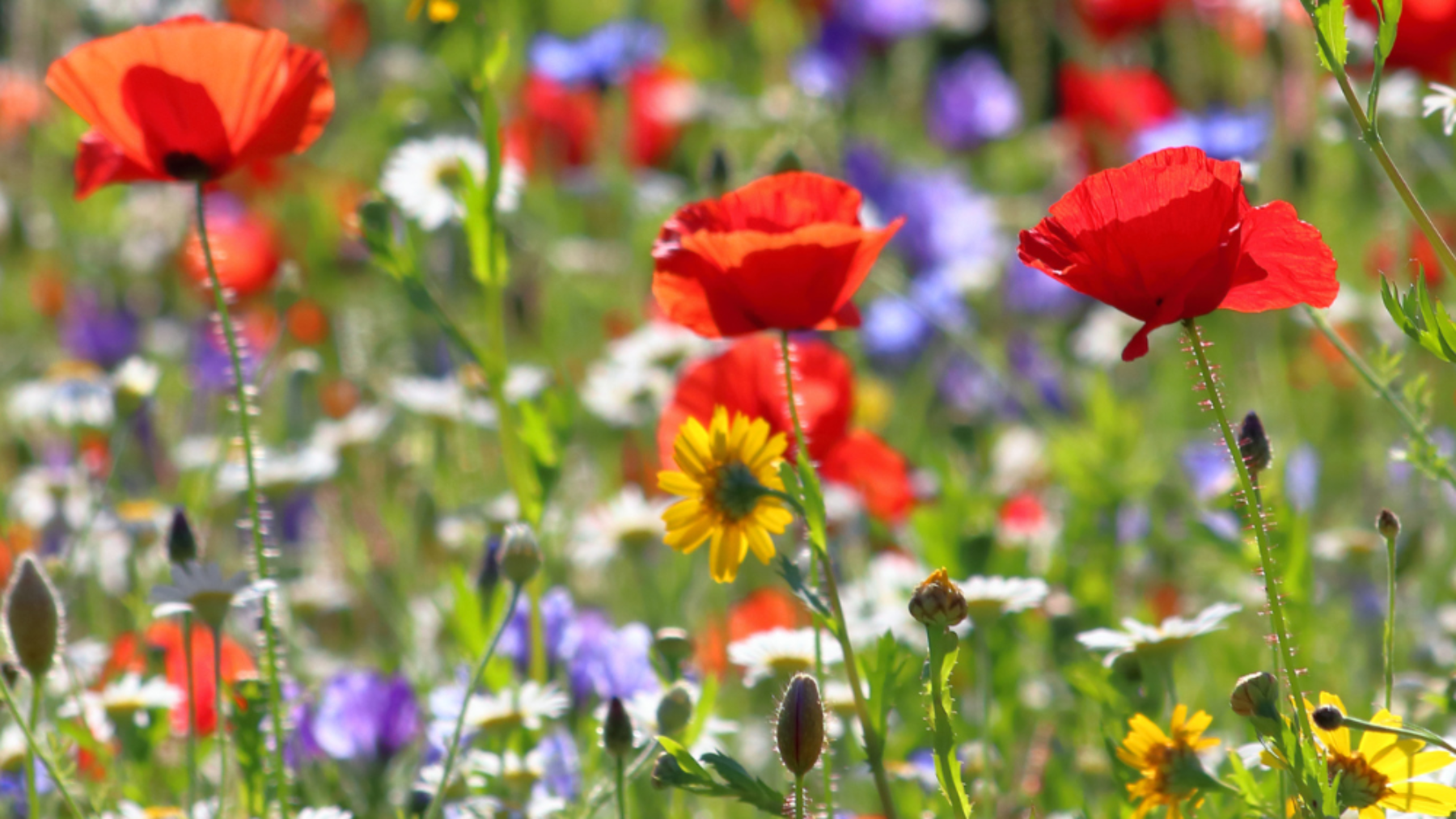
Plant a mix of native, pollinator-friendly flowers, shrubs and trees that bloom across the seasons, so there's always something to forage. Skip the pesticides, especially on anything in flower. Leave a shallow dish of water with a few stones for bees to land on in the heat. Let a corner of your yard grow a little wild. And support local beekeepers, and organic farmers.
How we mark it
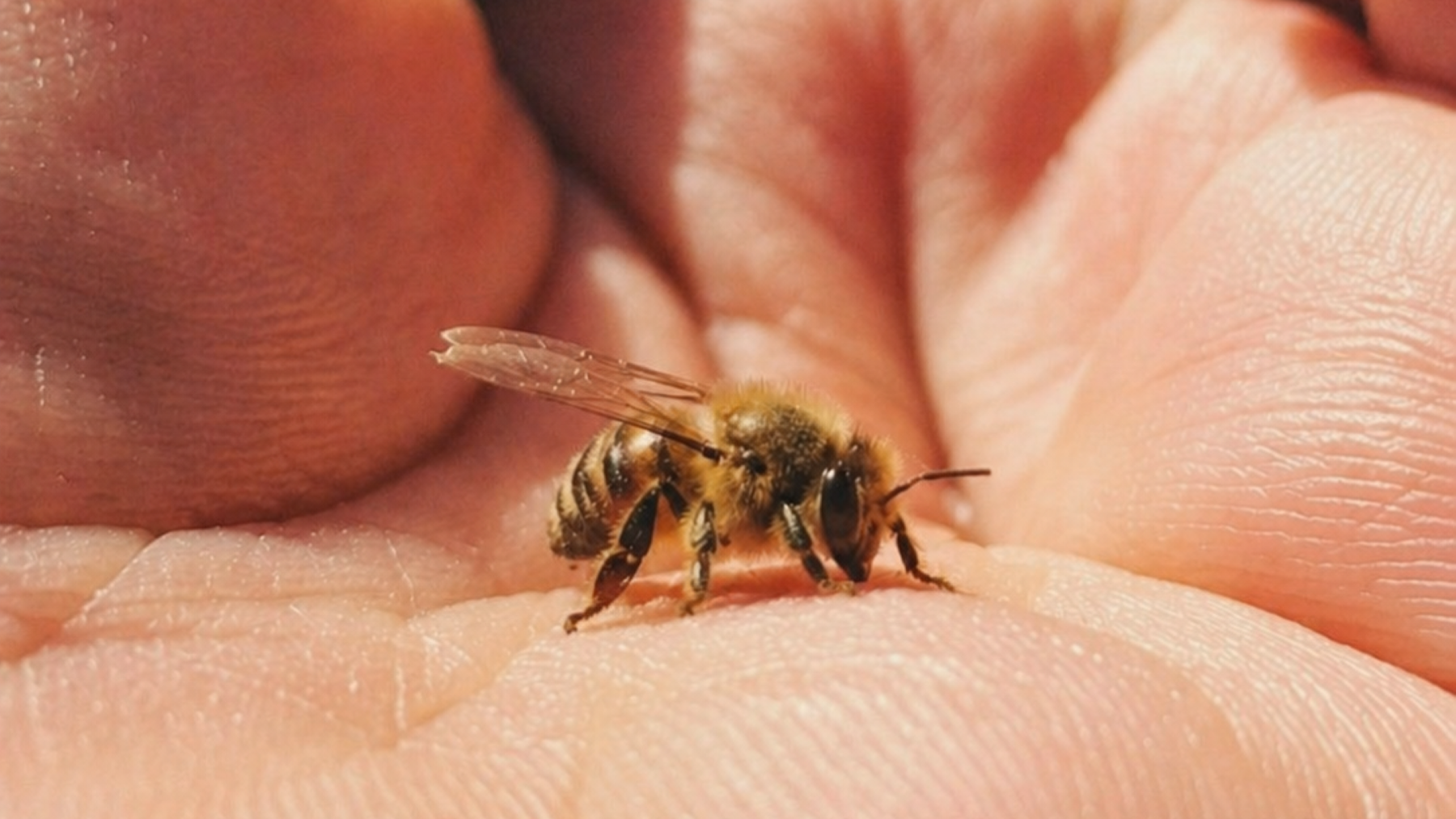
For us, every week is pollinator week. Our bees come first year-round: we take only the surplus they can spare, and we protect the wildflowers they forage in the Snoqualmie Valley. Pollinator Week is simply when we say it out loud and invite you to join in.
A season-long practice
The best part is that none of these actions are one-and-done. A pollinator garden, a pesticide-free yard, a little water in summer: all of these go on supporting bees long after the week is over.
Meet the hive behind everything we make. ✧
Frequently asked questions
When is Pollinator Week? It's held each June. It celebrates pollinators and raises awareness of the pressures they face.
What can I do to help pollinators? Plant native flowers, plants, and trees that bloom across the seasons, avoid pesticides, offer water in summer, let part of your yard grow wild, and support local organic farmers and beekeepers.
Why are pollinators important? It's tempting to picture pollinators as a nice-to-have, a charming detail in a summer garden. The truth is closer to the opposite: they are quiet infrastructure for the living world, and we feel their work every single day, usually without noticing.
Start with the plate. Roughly a third of the food we eat depends on pollinators, and the share is even higher when you look at the foods that make eating a pleasure rather than a chore. The crops that lean on bees and their kin are the colorful, nutrient-dense ones: apples, blueberries, almonds, squash, coffee, cacao, and so many of the fruits, nuts, and seeds we reach for. Without pollinators, diets don't just shrink; they flatten. We'd be left leaning harder on wind-pollinated staples like wheat and rice, with far less of the variety that keeps us nourished and well.
But food is only the part we can see. Most flowering plants on Earth rely on pollinators to reproduce, which means pollinators quietly decide whether wild landscapes thrive or thin out. The berries that feed birds, the seeds that feed small mammals, the plants that hold soil in place and clean our water: so much of that begins with a pollinator visiting a flower. When pollinators falter, the loss ripples outward through entire food webs, touching creatures that never go near a hive. Their decline is rarely loud, but it's rarely contained, either.
There's a wellness thread here, too, and it's one close to our heart. Bees give us more than pollination. They give us honey, beeswax, and propolis, ingredients people have turned to for skin and healing for thousands of years. The same hive that helps an orchard fruit is the one that yields the beeswax in a balm or the honey in a mask. To care for pollinators is, in a real sense, to care for the body and the rituals we use to tend it.
So when we say pollinators are important, we don't mean it as a slogan. We mean that they sit at a hinge point in the natural world, connecting what grows, what eats, and what heals. Their wellbeing and ours are stitched together more tightly than we tend to remember. That's exactly why the small, steady choices matter so much: protect the pollinators, and you're protecting a great deal more than bees.

Written by Jillian Medford