Natural Remedies for Dry Skin That Truly Soothe
The best natural remedies for dry skin do two things at once: replenish moisture and seal it in. Most dry skin remedies treat the symptom and miss the cause; they add a burst of moisture that feels good for an hour, then evaporates, because nothing was done to keep it there.
What's actually causing your dry skin
Dryness, at its root, is usually barrier loss. The skin's outer layer, the part that holds water in and irritation out, gets depleted, and once it's compromised, moisture escapes faster than skin can replace it. A handful of everyday things wear it down: cold, dry winter air and indoor heating that strips humidity from a room; long hot showers and baths, which feel wonderful and are quietly merciless on the skin barrier; harsh, foaming cleansers and over-washing; low humidity; and simply getting older, since skin produces less of its own oil over time. Most dry skin is some combination of these, which is why the fix is rarely a single product. It's removing a few causes while you replenish.
Natural dry skin remedies from the hive
Raw honey is a humectant; it draws moisture into the skin. Beeswax forms the breathable seal that keeps that moisture from escaping. Propolis quiets the low-grade inflammation that so often rides along with dryness. And a botanical like calendula soothes the surface while the rest does its work. Used together, they don't just wet the skin. They help it hold what it's given and settle.
Why texture matters as much as ingredients
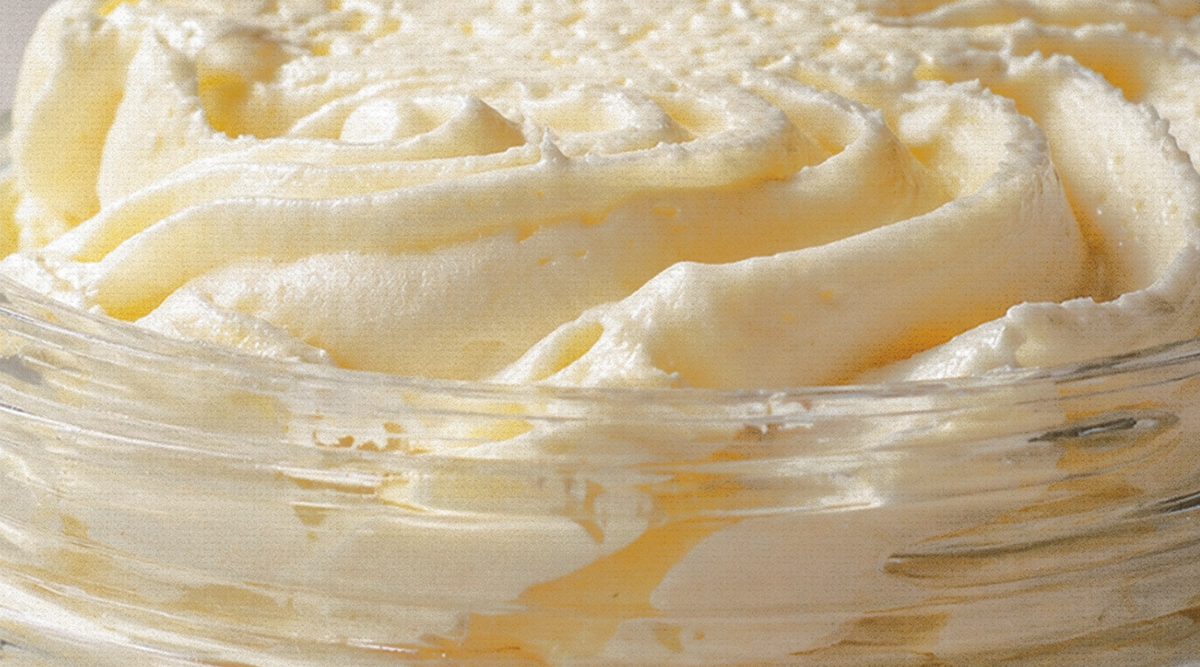
For the driest, most depleted skin, the patches that crack and sting, a dense, concentrated salve outperforms a light lotion every time. It stays put. It melts at body temperature into a warm, lasting layer rather than disappearing on contact.
That's the whole idea behind The Secret, our universal salve: beeswax, honey, propolis, and botanicals in one small tin, built for the spots that need more than a moisturizer can give: chapped hands, rough elbows, weather-worn skin that's stopped responding to the usual things.
Natural remedies beyond what you put on your skin
What you don't do matters as much as what you apply. A few changes do more than any single product.
Turn the water temperature down. Lukewarm, not hot, and shorter showers: hot water strips the very oils you're trying to protect.
Moisturize on damp skin. The most important timing rule there is: apply your balm or oil within a minute of getting out of the shower, while skin is still damp, to trap the water against it.
Run a humidifier in winter. Indoor heating pulls humidity out of the air, and your skin pays for it; adding moisture back to the room helps more than people expect.
Switch to a gentle cleanser and wash less. Foaming, stripping cleansers leave skin tight; a gentle one used once or twice a day is plenty.
Hydrate from the inside, gently. Drinking water won't cure dry skin on its own, but chronic dehydration shows on the surface, and a diet with enough healthy fats supports the barrier from within.
Dry skin on your body vs. your face
They're not the same problem. Facial skin is thinner and more reactive, so it wants lighter layers, a hydrating serum sealed with a modest oil, and gentler handling. Body skin, especially on hands, elbows, knees, heels, and shins, is tougher and takes more abuse, so it can handle (and usually needs) a richer, denser balm. The driest spots on the body are often the ones with the fewest oil glands, which is exactly where a beeswax salve earns its place.
When dry skin needs more than a remedy
Most dry skin responds to better habits and the right balm. But some doesn't, and it's worth knowing the difference. Skin that's intensely itchy, inflamed, scaly, or that cracks deeply enough to bleed may be signaling a condition like eczema or psoriasis rather than ordinary dryness, and those are worth seeing a dermatologist for, since they need care a moisturizer can't provide. The same goes for dryness that comes on suddenly, won't improve no matter what you do, or shows up alongside other symptoms. Gentle, sealing care helps almost everyone; it just isn't a substitute for a professional when your skin is telling you something louder.
A simple daily routine for dry skin
Pull it together and the daily rhythm is short. In the morning, cleanse gently or simply rinse, press a hydrating layer into damp skin, seal with a nourishing oil, and finish with sunscreen. At night, cleanse, hydrate, and seal with something richer: a balm on the spots that crack. The non-negotiable across both is timing: moisturize while skin is still damp, and go heavier at night, when skin does its repairing. Consistency does more here than any single product.
Winter vs. summer dry skin
Dryness changes with the season, and so should your response. Winter dryness is mostly environmental, cold air outside, heated air inside, both pulling moisture out, so you lean richer, run a humidifier, and protect the exposed skin on hands and face. Summer dryness is sneakier: sun, air conditioning, chlorine, and salt water all quietly strip the barrier even when the air feels humid. The seal still matters; you just reach for a lighter version of it. Either way the principle holds: replenish, then seal.
Soothing dry skin isn't complicated. Give it moisture, seal it in, calm what's underneath, and take away the things wearing your barrier down. Then let it rest.
Meet The Secret and give dry skin something that actually stays. ✧
Frequently asked questions
What is the best natural remedy for dry skin? Pair a humectant like raw honey with a sealing beeswax balm, so you both add moisture and lock it in: water alone evaporates.
Why does my skin stay dry no matter what I use? Usually it's ongoing barrier loss from hot water, over-washing, dry indoor air, or harsh cleansers; light, water-heavy lotions add moisture but don't seal it.
Is a balm or a lotion better for very dry skin? For cracked, depleted skin a dense salve stays put and seals far better than a light lotion that absorbs and evaporates.
Does drinking water help dry skin? It supports overall skin health, but it won't fix dryness on its own: sealing the surface and protecting the barrier matter more.
When should you see a doctor about dry skin? If skin is intensely itchy or inflamed, scaly, cracks deeply enough to bleed, or doesn't improve with gentle care, it may be eczema or psoriasis and is worth a dermatologist's eye.

Written by Jillian Medford